Researched and checked by Tourist Information Dublin · How we research
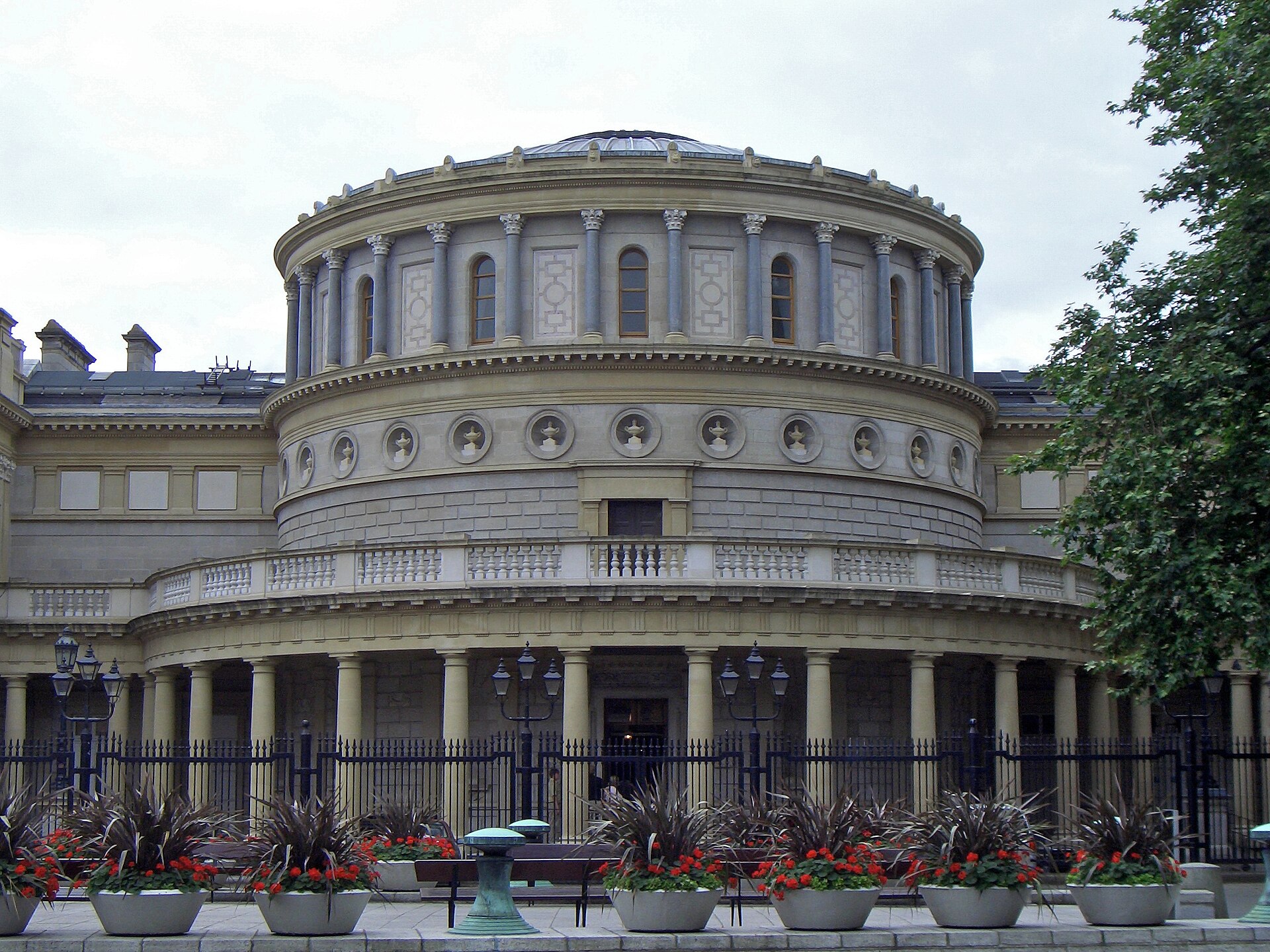

Dublin’s best museums are mostly free. The National Museum of Archaeology (Celtic gold, Vikings and the bog bodies), the National Gallery (Caravaggio and Vermeer), Collins Barracks and IMMA all cost nothing. The best paid ones, EPIC, the Little Museum of Dublin, MoLI, the GPO Museum and Dublinia, cost €15 to €22 for an adult.
Booking links on this page may earn us a small commission, at no extra cost to you. It doesn't change what we recommend. How we research.
Book ahead: The best paid museums sell timed tickets online.
EPIC GPO Witness History Dublinia
It’s also a city where museums close for “refurbishment” and stay closed long enough for a child to grow up, and several big names are shut right now. So this is the honest guide: what’s open, what’s inside, what it costs, how long you need, how to group them into days, and what’s closed, so you don’t walk across town to a locked door. Prices and hours were checked on each museum’s official website in November 2026.
Dublin museums at a glance
| Museum | Adult price | Allow | Best for |
|---|---|---|---|
| National Museum – Archaeology (Kildare Street) | Free | 2 hours | Gold, Vikings, bog bodies |
| National Gallery of Ireland | Free | 1½ to 2 hours | Caravaggio, Vermeer, Irish art |
| National Museum – Collins Barracks | Free | 2 to 3 hours | 1916, design, fashion, the Dead Zoo Lab |
| IMMA (Kilmainham) | Free | 1 to 2 hours | Modern art and formal gardens |
| National Print Museum (Beggars Bush) | Free | 1 hour | Working presses, a hidden gem |
| James Joyce Tower (Sandycove) | Free | 45 minutes | Joyce fans and a DART trip |
| GPO Museum | €15 online | 1 to 1½ hours | The 1916 Rising |
| Dublinia | €16 online | 1½ hours | Vikings and families |
| The Little Museum of Dublin | €18 | 1 hour | 20th-century Dublin, guided |
| MoLI, the Museum of Literature Ireland | From €16.50 | 1 to 1½ hours | Joyce, Wilde, Beckett, Heaney |
| EPIC The Irish Emigration Museum | From €22 online | 1½ hours | Interactive, for all ages |
| Marsh’s Library | €8 | 45 minutes | A perfect 18th-century library |
| Kilmainham Gaol | €8 | 1½ hours | The most powerful tour in Dublin |
Museums by interest
- Ancient Ireland and the Vikings: the National Museum of Archaeology, then Dublinia.
- The 1916 Rising and independence: the GPO Museum, Kilmainham Gaol, Collins Barracks’ Proclaiming a Republic, and Glasnevin Cemetery.
- Art: the National Gallery, then IMMA.
- Literature: MoLI, the James Joyce Tower, Marsh’s Library and the Old Library at Trinity.
- Social history: the Little Museum of Dublin, 14 Henrietta Street and EPIC.
- Children: Dublinia, EPIC, the Dead Zoo Lab at Collins Barracks and the bog bodies (for older ones).
- Something different: the National Print Museum, the GAA Museum at Croke Park and the Irish Jewish Museum.
The free museums
National Museum of Ireland – Archaeology (Kildare Street)
If you only do one free museum in Dublin, do this one. It’s in a grand Victorian building beside Leinster House, with seven galleries covering Ireland from 7000 BC to the Middle Ages.
- Ór – Ireland’s Gold: one of the greatest collections of prehistoric gold in Europe, from Bronze Age collars (lunulae) and sun discs to the Iron Age Broighter Hoard, with its tiny gold boat and oars.
- Kingship and Sacrifice: the Iron Age bog bodies. Old Croghan Man and Clonycavan Man were found in Irish bogs in 2003, and the exhibition suggests they were sacrificed in rituals linked to kingship. Each lies at the end of its own small spiral passage. Unforgettable, in the sense that you’ll try to forget them and fail. Younger children may need warning.
- The Treasury: early Christian masterpieces, including the Ardagh Chalice and the Tara Brooch.
- Viking Ireland: from the first recorded Viking raid in 795 to 1170, with weapons from the Viking graves at Islandbridge and Kilmainham.
- Medieval Ireland and Ancient Egypt, plus temporary exhibitions.
Free. Tuesday to Saturday 10am to 5pm, Sunday and Monday 1pm to 5pm. Closed Christmas Day, St Stephen’s Day and Good Friday. Allow two hours.
National Gallery of Ireland (Merrion Square)
Ireland’s national art collection, with highlights including:
- Caravaggio’s The Taking of Christ (1602): the moment Judas kisses Christ. It was lost for centuries, rediscovered in a Jesuit house in Dublin in the early 1990s, and is on indefinite loan to the Gallery.
- Vermeer’s Woman Writing a Letter, with her Maid, one of only a few Vermeers in these islands.
- The Jack B. Yeats collection and a superb range of Irish art, plus European masters from Rembrandt to Picasso.
The permanent collection is free; some temporary exhibitions charge. Monday 11am to 5:30pm; Tuesday and Wednesday 9:15am to 5:30pm; Thursday 9:15am to 8:30pm; Friday and Saturday 9:15am to 5:30pm; Sunday 11am to 5:30pm. Entry stops 15 minutes before closing. Closed 24 to 26 December and Good Friday. The Thursday late opening is the quietest time to visit.
National Museum of Ireland – Decorative Arts and History (Collins Barracks)
A huge 18th-century army barracks west of the centre, now full of Irish history and design. It’s big enough for a whole wet morning.
- Proclaiming a Republic: the 1916 Rising, with an original copy of the Proclamation.
- Soldiers and Chiefs: the Irish at war, at home and abroad, from 1550 to the present.
- Eileen Gray: the Irish-born pioneer of modernist design.
- The Way We Wore: Irish clothing and social change.
- The Asgard: the yacht that smuggled guns into Howth in 1914.
- Irish silver, furniture and ceramics, and the Dead Zoo Lab: about 1,300 objects from the closed Natural History Museum.
Free. Tuesday to Saturday 10am to 5pm, Sunday and Monday 1pm to 5pm. Luas Red Line to Museum. There’s a pay-and-display car park (€2 an hour, €10 for the day). Allow two to three hours. Free guided tours run on many weekends; check the National Museum’s website.
Irish Museum of Modern Art (IMMA, Kilmainham)
Modern and contemporary art in the Royal Hospital Kilmainham, a magnificent 17th-century building with formal gardens. Admission is free, as are most exhibitions, and there’s a free drop-in tour daily at 4pm. Open Tuesday to Saturday from 10am (11:30am on Wednesdays) and Sunday from noon, until 5:30pm; closed Mondays except bank holidays. It’s a 16-minute walk from Kilmainham Gaol, so do both together.
National Print Museum (Beggars Bush)
A hidden gem in the old Garrison Chapel of Beggars Bush Barracks, Dublin 4: a working collection of historic presses and type, often with demonstrations and printing workshops, and a good café. Free general admission. Tuesday to Friday 10am to 4pm, Saturday and Sunday 12pm to 4pm; closed Mondays and bank holiday weekends. About ten minutes’ walk from Lansdowne Road or Grand Canal Dock DART stations.
James Joyce Tower (Sandycove)
The Martello tower where Joyce stayed for six nights in 1904, and where Ulysses begins. Run by volunteers. Free, walk-ins welcome; open Tuesday to Sunday 10am to 4pm. Take the DART to Sandycove and Glasthule, then swim at the Forty Foot below, if you’re brave. Not wheelchair accessible. More in James Joyce for people who’ll never read Joyce.
The paid museums worth paying for
EPIC The Irish Emigration Museum (Docklands)
The story of the ten million people who left Ireland and what they did next, told in 20 interactive galleries in the vaults of CHQ on Custom House Quay. Clever, moving and good for every age; you stamp a passport as you go. From €22 adult online, €11 child, €19 senior, and your ticket includes a free return visit within 10 days. Open daily 10am to 6:45pm. A combined ticket with the Jeanie Johnston famine ship, moored nearby, is €34 adult.
The Little Museum of Dublin (St Stephen’s Green)
The story of 20th-century Dublin, told in a Georgian house through objects donated by Dubliners, with a lively half-hour guided tour that’s the best introduction to the city’s recent history. It’s also home to Tara’s Palace, one of the world’s great dolls’ houses. €18 adult, €16 seniors and students, €45 family. Entry is by the guided tour, which runs through the day, so book ahead at weekends. Open daily 9:30am to 5pm. It isn’t wheelchair accessible.
MoLI, the Museum of Literature Ireland (St Stephen’s Green)
Joyce, Wilde, Beckett, Heaney and the rest, in Newman House, the beautiful Georgian home of University College Dublin, where Joyce studied. Its treasure is “Copy No. 1” of Ulysses, the first copy printed, given to Joyce himself. There’s a lovely garden café behind, beside the Iveagh Gardens. Self-guided entry from €16.50; the one-hour guided tour is €18. Open Wednesday to Sunday 10am to 5pm (last entry 4pm), with a free late opening from 6pm to 9pm on the first Friday of the month. This is where to go now that the Dublin Writers Museum has closed.
GPO Museum (O’Connell Street)
The 1916 Rising in the building where it happened, carried on through independence, the Civil War and the Troubles to the Good Friday Agreement. €15 online, €17 walk-in. Closed Sundays and public holidays. Full guide: GPO Museum.
Dublinia (Christ Church)
Viking and medieval Dublin, hands-on, with a Viking warship, Living History guides and a tower to climb. €16 online, or €25 with Christ Church Cathedral. Full guide: Dublinia.
Marsh’s Library (beside St Patrick’s Cathedral)
Ireland’s first public library, opened in 1707 and almost unchanged since: dark oak bookcases, 25,000 rare books, and the wire cages where readers were locked in with the most valuable volumes. It’s one of the most atmospheric rooms in Dublin. €8 adult, €6 students and seniors, free for under 18s. Tuesday to Friday 9:30am to 5pm, Saturday 10am to 5pm; closed Sundays and bank holidays. The main library isn’t wheelchair accessible. Combine it with St Patrick’s Cathedral next door.
14 Henrietta Street (north inner city)
A Georgian townhouse that became a crowded tenement, telling 300 years of Dublin life from aristocrats to families living ten to a room. Visits are by guided tour, open Wednesday to Sunday 10am to 4pm, and they book up, so reserve ahead on its website.
Custom House Visitor Centre (Custom House Quay)
The building, burning and restoration of Gandon’s great riverside masterpiece. €6 self-guided, €8 guided; open daily. More in our quays and Docklands walk.
GAA Museum and Croke Park Stadium Tour
Hurling and Gaelic football explained, with an interactive zone to test your skills and a stadium tour through the players’ tunnel and pitchside. The stadium tour, which includes the museum, is €18 adult and €12 child. Allow two hours. Tours don’t run on match days.
Irish Jewish Museum (Portobello)
A small, volunteer-run museum in a former synagogue in what was once Dublin’s “Little Jerusalem”, the Dublin of Leopold Bloom. Open Sundays 11am to 2:30pm; €10 adults, €5 students.
Also with their own guides
Kilmainham Gaol, Glasnevin Cemetery, the Guinness Storehouse and the Jameson Distillery. The Book of Kells and the Long Room are in our Trinity College guide.
The fun ones
- The National Wax Museum Plus, Westmoreland Street: wax figures, Irish icons, a horror section and a Father Ted room. Good on a wet afternoon with children.
- The National Leprechaun Museum, north of the Liffey: a guided storytelling tour of Irish folklore, better than its name. Recommended for ages 7 and up.
- The Casino Model Railway Museum, Malahide: Cyril Fry’s handmade model trains and trams, beside Malahide Castle. Adults €9, children €6.50; open Wednesday to Sunday 10am to 5pm.
Closed, gone or on hold
Plenty of old guidebooks still list these. Save yourself the walk:
- Chester Beatty, Dublin Castle: closed from 15 June 2026, with reopening expected in January 2027, along with Dublin Castle.
- Natural History Museum (the Dead Zoo), Merrion Street: closed since September 2024 for refurbishment, with no confirmed reopening date. Go to the Dead Zoo Lab at Collins Barracks. Why it’s so loved: the Dead Zoo.
- Hugh Lane Gallery, Parnell Square: closed since 28 September 2025 for a refurbishment expected to take at least three years.
- Dublin Writers Museum, Parnell Square: closed in 2020 and didn’t reopen. Go to MoLI.
- Shaw Birthplace, Synge Street: closed as a museum since 2012.
- Number Twenty Nine Georgian House Museum, Fitzwilliam Street: closed. A virtual tour is online.
- Dublin Civic Museum, South William Street: long gone. Its famous exhibit, Nelson’s stone head, has its own story in our post on the Spire and our guide to Dublin’s statues.
Three museum days
Day 1: Georgian Dublin (all within a short walk)
- 10am: the National Museum of Archaeology, Kildare Street (on a Sunday or Monday it opens at 1pm, so start at the National Gallery instead).
- 12pm: the National Gallery, round the corner on Merrion Square.
- 1:30pm: lunch in the MoLI garden café.
- 2:30pm: MoLI (closed Mondays and Tuesdays), then the Little Museum of Dublin’s guided tour, both on St Stephen’s Green.
Day 2: rebels and the river
- Morning: the GPO Museum (not Sundays).
- Midday: 14 Henrietta Street’s tenement tour (book ahead).
- Afternoon: Luas to Collins Barracks for Proclaiming a Republic, Soldiers and Chiefs and the Dead Zoo Lab.
Day 3: medieval Dublin and Kilmainham
- Morning: Dublinia and Christ Church, then Marsh’s Library and St Patrick’s Cathedral, a 7-minute walk.
- Afternoon: Kilmainham Gaol (book weeks ahead) and IMMA next door.
Book museum day 3
| Dublinia €16 online | Book tickets |
| Christ Church Cathedral €12 | Book tickets |
| Kilmainham Gaol €8 · Only sold on the official website. Tickets are released 28 days ahead and sell out fast. | Book tickets |
About €36 a person at official adult prices (checked November 2026). Booking pages show live prices for your date, which can differ.
Tips for museum days
- Kildare Street, Merrion Square and the Green are a cluster. The National Museum of Archaeology, the National Gallery, the Little Museum and MoLI are all within ten minutes’ walk of each other.
- The National Museums open at 1pm on Sundays and Mondays. Plan your mornings accordingly. The GPO Museum is closed on Sundays.
- Go late on a Thursday at the National Gallery (until 8:30pm), and on the first Friday of the month at MoLI.
- Bring only a small bag. Large bags and luggage aren’t welcome in most galleries.
- Don’t buy a pass for museums. The best ones are free, so a Dublin Pass rarely pays off on a museum-heavy trip. We did the sums.
Plan the rest of your trip
- Rainy day? See things to do in Dublin when it rains.
- With children? Dublinia, EPIC, Collins Barracks and the Little Museum work best. More in Dublin with kids.
- On a budget? See free things to do in Dublin.
- Short trip? See two days in Dublin and three days in Dublin.
- Staying central? The Kildare Street museum cluster is a short walk from the hotels in our St Stephen’s Green and Grafton Street guide.
Frequently asked questions
Are Dublin’s museums free?
Many of the best ones are. The National Museum of Ireland on Kildare Street and at Collins Barracks, the National Gallery’s permanent collection, IMMA, the National Print Museum and the James Joyce Tower are all free.
What is the best museum in Dublin?
For a first visit, the National Museum of Archaeology on Kildare Street: it’s free and has Ireland’s prehistoric gold, the Ardagh Chalice and the bog bodies. The best paid one is EPIC, or the Little Museum of Dublin for a guided tour of the city’s recent history.
What museum has the bog bodies in Dublin?
The National Museum of Archaeology on Kildare Street, in the Kingship and Sacrifice exhibition. It’s free.
Where is the Caravaggio in Dublin?
In the National Gallery of Ireland on Merrion Square: The Taking of Christ, on indefinite loan. Entry is free.
Is the Natural History Museum (the Dead Zoo) open?
No. It has been closed since September 2024 for refurbishment, with no confirmed reopening date. Part of the collection is on show in the Dead Zoo Lab at Collins Barracks.
Is the Chester Beatty open?
No. It closed on 15 June 2026, with reopening expected in January 2027.
When are the National Museums open?
Kildare Street and Collins Barracks are open Tuesday to Saturday 10am to 5pm, and Sunday and Monday 1pm to 5pm. Both are free.
Prices and hours checked on each museum’s official website, November 2026.