Researched and checked by Tourist Information Dublin · How we research

You’ll notice it if you’re not from here. Nobody really says “hello”. Not properly. Not like in cities where people seem genuinely delighted to see you. In Dublin, greetings happen by accident, or under duress.
It’s not rudeness. Dubliners just don’t like making a fuss. “Hello” sounds too formal. Too sincere. As if something’s wrong.
So there are workarounds.
The Dublin greetings, decoded
“Alright?”
The classic. It doesn’t mean they think you look unwell, and they don’t need to know how your day’s going. It’s just a nod in word form. The correct reply is “alright”, “yeah”, or another nod. Anything more is suspicious.
“How’s things?” or “How’s it going?”
Slightly warmer, still surface level. It means “I’ve seen you, let’s not ignore each other, but let’s not get into feelings.” Reply “grand” and you’ve passed.
“What’s the story?”
Often shortened to “what’s the story, bud?” or just “story?” It can mean anything from “hello” to “why are you late?” It doesn’t require an actual story. “Not much” is fine.
“Look who it is”
For someone you know but haven’t seen in a while. Affectionate or sarcastic, depending on the tone and whether the arms are folded.
“Well?”
A mystery to visitors. “Well what?” they ask. But it’s a greeting, roughly “are you well?”, said quickly with a lift of the chin. The correct answer is “well”, and that’s the whole conversation.
“Hiya”
Softer, friendlier, very common. Rarely followed by anything. An opener that doesn’t open anything.
And “grand”
If you learn one Dublin word, make it “grand”. It means fine. It also means good, OK, acceptable, not great, and “I’d rather not discuss it”. “How was the holiday?” “Grand.” Context is everything.
Why it works like this
Dubliners tend to avoid the front door of a conversation and come in through the side window. There’s a deep cultural allergy to fuss, boasting and too much sincerity, too soon.
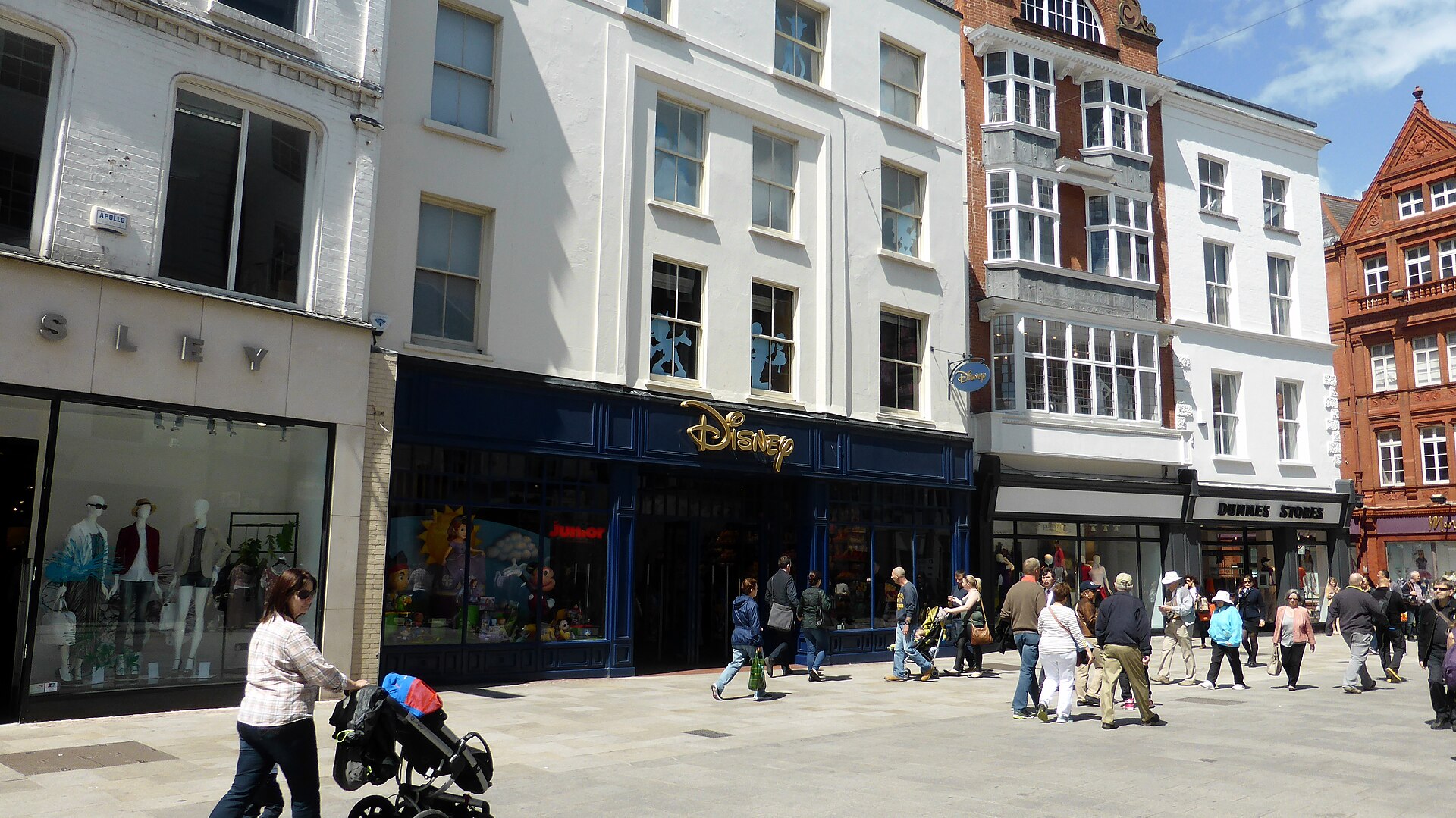
So if you smile broadly at strangers on Grafton Street and nobody smiles back, don’t take it personally. You’ve just broken the code. A big smile from a stranger sets off a small alarm in the Irish brain that says: too intense, might be about to sell me something.
Give it time
Once you’re in, everything changes. After a pint or two, or a long wait in the rain at a bus stop, the warmth comes out: the stories, the jokes, the slagging, the “ah, you have to go to…” recommendations. It’s all there. It’s just behind a layer of social armour.
So next time someone passes, mutters “alright?” and doesn’t wait for an answer, just nod and keep walking.
Congratulations. You’ve been greeted like a local.
For the best places to practise, see where to drink in Dublin. For everything else, see Dublin visitor essentials.
Planning your trip? Best place to hear it in action: a pub with a session. See trad music pubs in Dublin and things to do in Dublin at night.