Researched and checked by Tourist Information Dublin · How we research
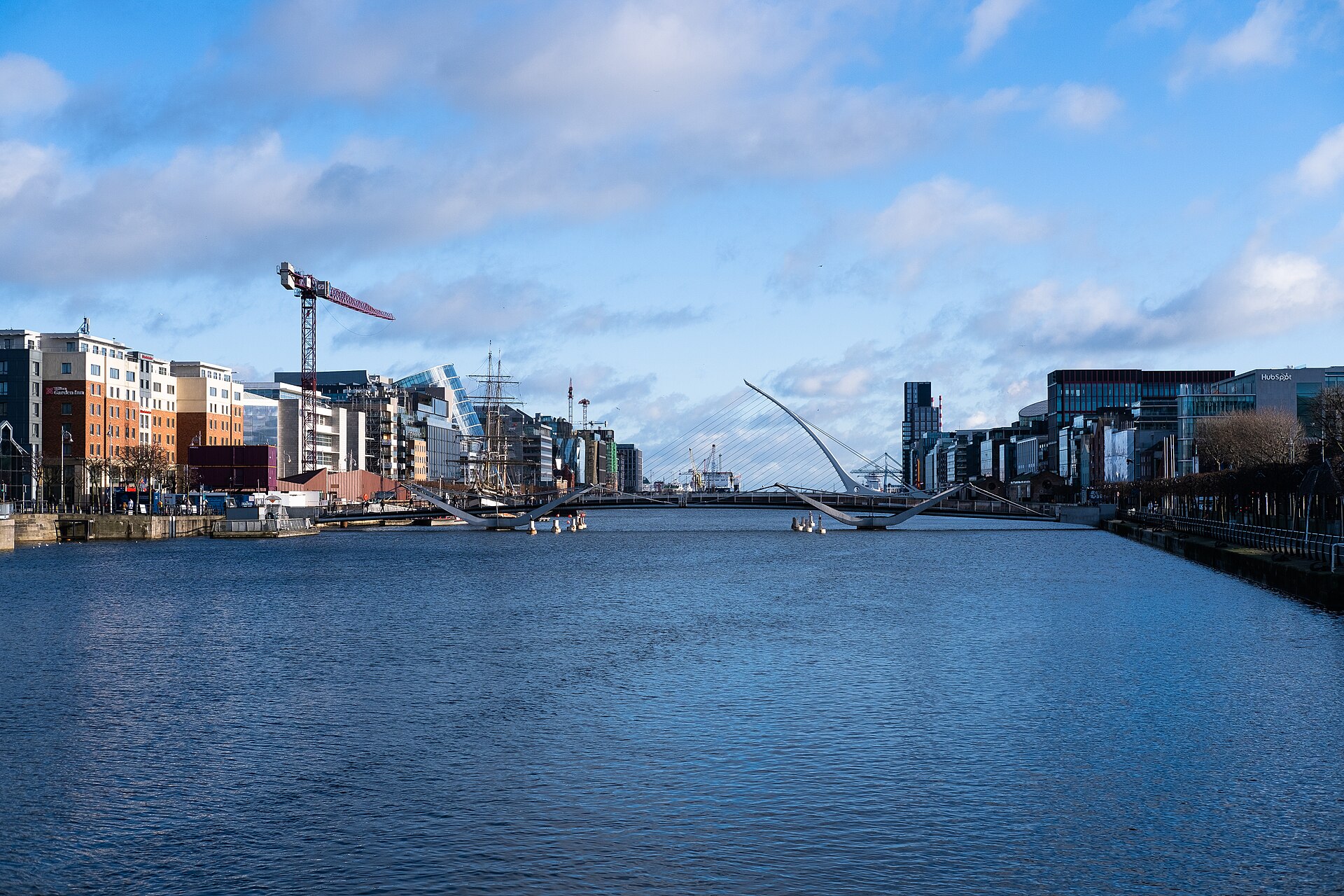

People love the idea of the Liffey. Postcard shots. Reflections. Bridges lit up at night. It looks lovely as long as you don’t think too hard about what’s actually in it.
Dubliners know better. It’s not a river you swim in. It’s not a river people write poems about, unless they’re being sarcastic. (Joyce did write about it, at great length, and called it Anna Livia. He was in Paris at the time.)
Still, it’s Dublin’s river, and it shapes the whole city.
Northside and southside
The Liffey runs east through the middle of Dublin into the bay, and it splits the city in two. Northside and southside. Same city, different energy. Same traffic, different grudges.
The old stereotype is that the southside is posh and the northside is rough. Like most Dublin stereotypes, it’s half true, very out of date, and guaranteed to start an argument in any pub. Many of the city’s great sights, including the GPO, the Custom House and the Four Courts, are on the north bank.
Why is it brown?
The most common visitor question. Yes, it’s always that colour. It’s mostly peat from the Wicklow Mountains, where the Liffey rises, plus silt, plus tide. It looks like strong tea because, in a way, it is. Think of it as character.
What’s in it
Over the years, the Liffey has been home to shopping trolleys, bicycles, the odd suitcase, traffic cones (occasionally several in a row, as if someone were marking out a slalom for fish), and Christmas trees, usually discovered in March. Don’t drink it. Don’t fall in. The railings are covered in lifebuoys and warning signs for good reason.
The Liffey from source to sea
The river rises in a bog in the Wicklow Mountains, between Kippure and the Sally Gap, only about 20km south of the city centre, then takes a long, lazy loop of around 125km through Wicklow and Kildare before turning east through Dublin to the bay. On the way it fills the Blessington lakes, the Poulaphouca reservoir that supplies much of Dublin’s water, runs past Leixlip and Lucan, and becomes tidal at the weir at Islandbridge, near the Phoenix Park.
Joyce turned it into a woman, Anna Livia Plurabelle, in Finnegans Wake, and the city put up a statue of her that Dubliners promptly named the Floozie in the Jacuzzi. The story is in our guide to Dublin’s statues.
People do swim in it (once a year)
Since 1920, the Liffey Swim has been held through the city centre every summer, finishing near the Custom House. Jack B. Yeats painted it in 1923, and his picture, The Liffey Swim, won a silver medal in the art competition of the 1924 Paris Olympics. The swimmers say the water is fine. They also say you shouldn’t open your mouth.
Each autumn, the Liffey Descent canoe race runs down the river from Straffan in Kildare towards the city, through weirs and rapids, which is the most exciting thing most Dubliners don’t know happens.
The Guinness barges
For over a century, Guinness was shipped down the Liffey from the brewery at St James’s Gate on its own barges, which had funnels that folded down so they could pass under the bridges. Dublin children used to shout “bring us back a parrot” at the crews. The barges stopped in 1961. See the Guinness Storehouse for the rest of the story.
The best views of the Liffey
- The Ha’penny Bridge, especially at dusk, looking west towards the Four Courts dome.
- O’Connell Bridge, for the view east to the Custom House.
- The Millennium Bridge, for the classic shot of the Ha’penny.
- The Samuel Beckett Bridge, for the modern Docklands at night.
All covered in the bridges of Dublin.
On the water
River cruises run on the Liffey through the city centre in the tourist season, and you’ll see kayakers and paddleboarders, mostly in the Docklands. It’s a strange experience seeing the city from the water. Recommended once.
Walking the quays
The best way to see the river is to walk it. From the Four Courts in the west to the Famine sculptures and the Docklands in the east is about an hour’s stroll, past most of the city’s best buildings. Our route: a walk along the Liffey quays and Docklands.
And if you walk west far enough, you’ll reach the Guinness Storehouse, built beside the river so the barges could carry barrels away. Which says more about the Liffey’s historical priorities than any poem.
Planning your trip? To walk the river from end to end, follow our quays and Docklands walk.